

Introduction
Choosing your first web host can feel a lot like picking a launchpad for a rocket—you only get one chance to take off smoothly. Hostinger has become the go-to name whispered in forums, TikTok tutorials, and YouTube sidebars, but does its budget-friendly promise actually hold up for beginners in 2026, or is it just clever marketing wrapped in purple branding? With claims of one-click everything, AI-powered tools, and performance numbers that sound almost too good for the price, Hostinger positions itself as the “training wheels” of web hosting that you won’t outgrow too quickly. In this review, we’ll strip away the hype, stress-test the features that matter to first-time site owners, and find out whether Hostinger is truly the best starting point for your online journey—or if your money is better spent elsewhere.
Quick Answer – Is Hostinger Good?
For most beginners and budget-focused website owners, Hostinger tends to hit a sweet spot with its low prices and intuitive, beginner-friendly control panel. New users can quickly get a site online, while small to medium projects usually enjoy solid performance, with respectable speed and uptime that’s more than enough for blogs, portfolios, or small business sites. When issues come up, live chat support is generally fast and helpful, although the lack of phone support and slower handling of complex, advanced problems may frustrate more technical users. In the end, Hostinger works best for people who value affordability and simplicity with reliable core features, whereas power users or rapidly growing sites might gravitate toward more premium, feature-rich, and scalable hosting providers.
Table of Contents
Serving as a roadmap for the entire review, the table of contents helps readers jump straight to the Hostinger details that matter most—whether that’s pricing, performance benchmarks, or beginner-focused features. To keep this navigation tool clear, chapters, sections, and subsections should follow a logical flow, moving from basic overviews into deeper technical analysis. Structuring entries consistently, with distinct heading levels and descriptive labels, allows visitors to scan quickly and understand where they are in the document. Aligning page numbers neatly, using uniform fonts and sizes for headings and subheadings, and applying clear spacing all contribute to a smoother reading experience. Regularly revisiting and updating the table of contents whenever sections are added, removed, or renamed ensures it stays accurate, intuitive, and genuinely helpful for anyone exploring this Hostinger review.
What Is Hostinger?
Originating in 2004, Hostinger has grown into a global web hosting provider serving individuals, small businesses, and growing online projects. Offering shared, VPS, cloud, and managed WordPress hosting, it caters to a wide range of needs without overwhelming beginners. Rather than relying on the standard cPanel, the company uses a custom control panel designed to make tasks like managing files, emails, and databases feel straightforward, even for first-time site owners. Alongside this, one-click installers for popular platforms, free SSL certificates, and domain registration bundle many essentials into a single dashboard. While its reputation is built on budget-friendly pricing, Hostinger also emphasizes performance and uptime, aiming to deliver reliable hosting that doesn’t feel “cheap.” At the same time, scalability options and 24/7 customer support make it appealing not only to beginners but also to more experienced developers who want an easy-to-manage, cost-effective hosting environment.
Why Choosing the Right Hosting Matters
Selecting the right hosting provider directly affects how quickly your website loads, which in turn shapes the user experience and keeps bounce rates under control. Beyond speed, dependable hosting dramatically reduces downtime so your site stays accessible and your brand’s reputation doesn’t take unnecessary hits. As your project evolves, an appropriate hosting plan also becomes the backbone of scalability, allowing you to handle traffic spikes and long‑term growth without constant migrations. Just as importantly, a secure hosting environment helps safeguard sensitive data, mitigate cyberattacks, and preserve the trust you’ve worked hard to build with visitors and customers.
Hostinger Features
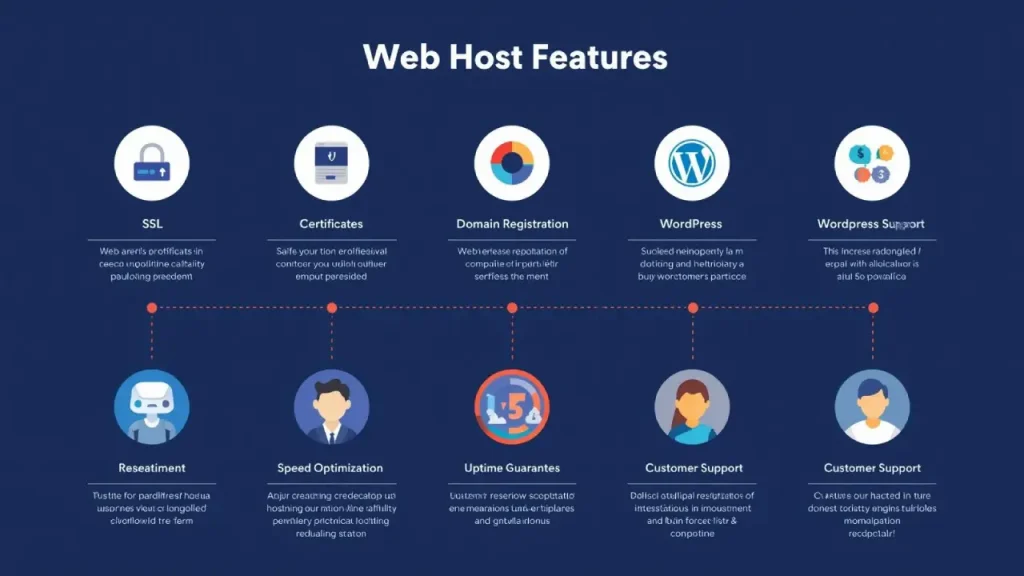
Standing out from many budget hosts, Hostinger offers a clean, user-friendly control panel that makes managing websites, emails, and databases unintimidating for beginners yet efficient for experienced users. Under the hood, SSD storage, LiteSpeed web servers, and multiple global data centers work together to deliver noticeably faster loading times across different regions. On the protection side, free SSL certificates, automatic backups, and advanced DDoS safeguards help keep your site’s data secure and your uptime stable. Rounding everything out, free domain options on many plans, one-click installers for WordPress and other apps, plus 24/7 live chat support add strong value for anyone launching or growing a site on a budget.
Hostinger Review: Pricing and Plans
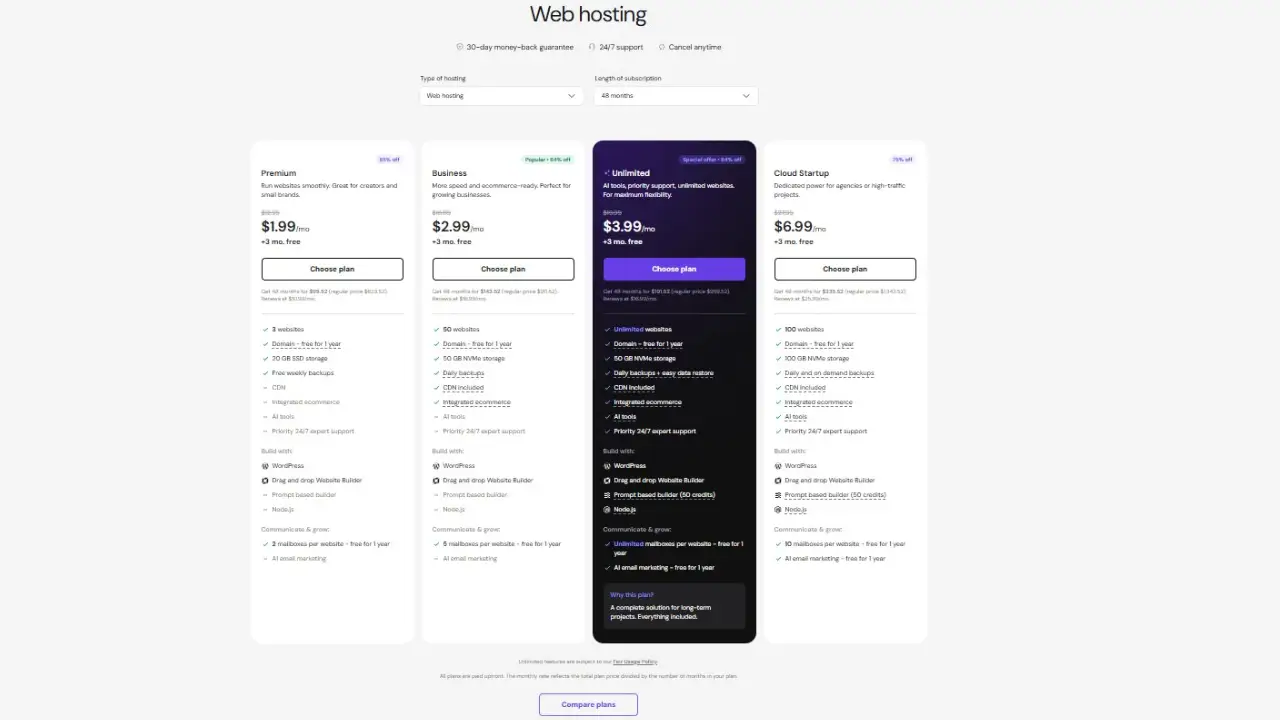
Starting with shared hosting, Hostinger tiers its Single, Premium, and Business plans by storage, number of websites, email accounts, and monthly visits, with very low introductory prices that jump noticeably on renewal. Moving up the ladder, its VPS and cloud hosting plans often undercut big names like Bluehost or SiteGround at similar resource levels, making them attractive for users needing more power without enterprise‑level costs. While SSL is usually free, add‑ons like domain registration, premium backups, and some email options can nudge the real monthly price higher than the headline offer suggests. For absolute beginners, the Premium Shared plan typically delivers the best balance of price and flexibility, whereas small businesses benefit from Business Shared or entry‑level cloud plans, and fast‑growing sites get more consistent performance and scalability from Hostinger’s mid‑range cloud or VPS offerings.
Hostinger Review: Speed and Performance
Across a wide range of sites—from simple blogs to small eCommerce stores—Hostinger’s servers typically deliver snappy loading times, keeping pages responsive even under moderate traffic. Drawing from multiple third‑party monitoring tools, uptime usually hovers around the 99.9% mark or better, which is reliable enough for most beginner and small business projects that can’t afford frequent outages. Behind these results, strategically placed global data centers, LiteSpeed web servers, and built‑in caching work together to reduce latency and handle dynamic content more efficiently than many traditional shared hosts. When stacked against similarly priced competitors, Hostinger often comes out ahead on raw speed and stability, making its performance‑to‑price ratio one of the strongest arguments in favor of choosing it as a beginner‑friendly host.
Hostinger Review: Uptime Reliability
Over the past few years, Hostinger has typically delivered uptime in the 99.90–99.99% range, which meets or slightly exceeds the common industry benchmark of 99.9% for shared hosting. Leveraging technologies like LiteSpeed, container-based isolation, and proactive server monitoring via internal tools and third‑party services, the platform can usually detect and mitigate outages quickly before they affect large numbers of users. Because higher uptime directly supports faster, more consistent page loads, Hostinger’s reliability helps reduce bounce rates and indirectly supports SEO by keeping sites accessible to both visitors and search engine crawlers. While the company advertises a 99.9% uptime guarantee with potential credits if downtime exceeds that threshold, real‑world user reports generally describe stable service with only occasional, brief interruptions rather than frequent, prolonged outages.
Hostinger WordPress Hosting
Built specifically with WordPress users in mind, Hostinger’s plans combine LiteSpeed servers, SSD storage, and built‑in caching to deliver noticeably faster load times than many traditional shared hosts. For beginners, getting started feels straightforward thanks to one‑click WordPress installation, a clean, beginner‑friendly control panel, and automated updates that keep your core, themes, and plugins current without manual effort. On the protection side, free SSL certificates, daily or weekly backups, malware scanning, and a 99.9% uptime guarantee work together to keep your site secure and consistently available. When it comes to value, affordable entry‑level plans, frequent free domain offers, managed WordPress tools like staging and automatic updates, plus 24/7 customer support make Hostinger a strong, scalable option for new and growing WordPress sites alike.
Hostinger Ease of Use for Beginners
New users with zero hosting background usually find Hostinger surprisingly approachable, thanks to an intuitive dashboard layout that keeps key actions front and center instead of buried in menus. From the moment you sign up, a guided setup wizard walks you step by step through connecting a domain, installing WordPress, and handling basic configuration without needing to Google every term. Rather than relying on cluttered cPanel screens, Hostinger’s custom hPanel uses clear labels, visual icons, and one‑click tools designed so non‑technical users can manage email, backups, and databases with minimal confusion. Alongside this, built‑in tutorials, contextual tooltips, and easily accessible live chat support give beginners the confidence to troubleshoot issues and manage their websites independently after just a short learning curve.
Hostinger Customer Support
Across most plans, Hostinger leans heavily on 24/7 live chat and a ticketing system, with email used mainly for follow‑ups and account‑related notices rather than real‑time help. Typically, live chat replies arrive within minutes, and common issues—like minor downtime, basic billing questions, or simple configuration tweaks—are often resolved in a single interaction, while more complex technical problems can take several hours to a day via tickets. Drawing on solid product knowledge and decent troubleshooting skills, support agents usually communicate clearly and politely, though some advanced users feel answers can be scripted or lack deep technical depth. According to user feedback, beginners tend to be satisfied with the speed and friendliness of support, while recurring complaints focus on the absence of phone support and occasional delays on complex cases, partly offset by a robust knowledge base, step‑by‑step tutorials, and in‑dashboard guides.
Hostinger Security Features
Protecting beginner websites from everyday online threats, Hostinger bundles free SSL certificates, firewalls, and always‑on DDoS protection to encrypt data and filter malicious traffic before it reaches your site. Beyond perimeter defenses, the platform runs regular malware scans and offers automatic backups with straightforward restoration options, helping you recover quickly if something goes wrong. At the account level, added safeguards such as two‑factor authentication (2FA), strong password requirements, and granular access controls reduce the risk of unauthorized logins. Behind the scenes, Hostinger continuously monitors server uptime, rolls out frequent security patches, and uses isolated hosting environments to contain potential breaches and minimize vulnerabilities across its infrastructure.
Hostinger Review: Pros and Cons
Offering some of the most competitive introductory prices in the industry, Hostinger often undercuts popular hosts like Bluehost or GoDaddy while still delivering strong value for beginners and small businesses. Backed by LiteSpeed servers, SSD storage, and global data centers, its plans typically provide fast loading speeds and uptime in the 99.9%+ range, which is more than adequate for most entry‑level and growing sites. On the downside, stricter resource caps, noticeable price jumps on renewal, limited phone support, and occasionally shallow responses to complex technical issues can frustrate power users or high‑traffic projects. Overall, Hostinger is best suited for bloggers, portfolios, small eCommerce stores, and budget‑conscious startups that prioritize affordability and ease of use over enterprise‑grade scalability and deeply specialized support.
Hostinger Pros
Standing out as a beginner‑friendly option, Hostinger offers affordable hosting plans with competitive pricing that fits tight personal and small business budgets. Designed around a user‑friendly control panel, its streamlined setup process makes launching and managing a website far less intimidating for non‑technical users. Backed by global data centers, the platform typically delivers solid uptime and fast loading speeds, providing a reliable experience for visitors across different regions. Complementing these strengths, Hostinger’s responsive 24/7 customer support—via live chat and an extensive knowledge base—ensures that help is always within reach when questions or issues arise.
Hostinger Cons
Balancing Hostinger’s beginner‑friendly appeal, several drawbacks are worth noting before you commit long term. While live chat is available 24/7, the lack of phone support can frustrate users who prefer direct, real‑time conversations for complex hosting issues. As you explore the cheapest plans, resource limits on CPU and RAM may start to pinch performance once your site gains traction or traffic spikes. During checkout, aggressive upselling and a maze of add‑ons can feel overwhelming for first‑time buyers trying to understand what they actually need. Looking beyond the initial bargain, renewal rates jump significantly from the promotional prices, which can turn an initially cheap plan into a much more expensive long‑term commitment if you’re not paying attention.
Hostinger vs Bluehost
When comparing Hostinger and Bluehost, pricing is where the gap starts to show, with Hostinger usually offering lower introductory discounts on shared and managed WordPress plans and slightly more affordable renewals, while Bluehost leans on heavier first‑term promos but steeper long‑term costs. Performance-wise, both advertise around 99.9% uptime guarantees, yet Hostinger’s LiteSpeed servers and broader global data center spread often deliver quicker response times than Bluehost’s largely US‑centric infrastructure. From an ease‑of‑use standpoint, Hostinger’s custom hPanel feels cleaner and more beginner‑friendly than Bluehost’s cPanel‑based setup, though both include one‑click installers, website builders, and core security tools like free SSL. Looking at support and overall value, Bluehost adds phone support and deeper WordPress ecosystem ties, whereas Hostinger’s fast live chat, lower prices, and solid performance typically make it the better value for true beginners and budget‑conscious small businesses.
Hostinger vs SiteGround
Stacking Hostinger against SiteGround, pricing immediately sets them apart, with Hostinger offering deeper introductory discounts and cheaper renewals, while SiteGround commands higher ongoing fees that some users justify as “premium” value. By contrast, performance often tilts toward SiteGround for consistently strong speed and uptime, though Hostinger’s LiteSpeed servers and broader global data center spread deliver excellent results for the price. Turning to features, Hostinger’s custom hPanel, free SSL, and automated backups feel beginner‑friendly, whereas SiteGround’s cPanel‑like interface, robust on‑demand backups, advanced WordPress staging, and built‑in security tools cater more to serious site owners. Finally, customer support quality generally favors SiteGround, which is known for fast, knowledgeable agents across chat and phone, while Hostinger’s 24/7 live chat is responsive and adequate for most beginners but can feel less in‑depth for complex technical issues.
Who Should Use Hostinger
Ideal users for Hostinger tend to fall into a few clear groups, all united by the need for affordable, reliable hosting without unnecessary complexity. Budget‑conscious individuals and small businesses often find its low entry pricing and solid uptime especially appealing, since they can get online professionally without draining their budget. Beginners and non‑technical users benefit from the intuitive hPanel and one‑click installs, which remove much of the friction usually associated with setting up a website. Freelancers and agencies can also take advantage of scalable plans that support multiple client sites, avoiding high upfront infrastructure costs while still leaving room to grow. Meanwhile, bloggers, portfolio owners, and small eCommerce stores get fast performance and responsive support, even if they don’t need the advanced, enterprise‑grade features of more expensive hosts.
Who Should Not Use Hostinger
Individuals requiring enterprise‑level infrastructure or highly specialized server configurations will likely find Hostinger’s shared and cloud plans too limited, even if its pricing is appealing. For businesses that absolutely need guaranteed uptime backed by robust SLAs, along with immediate, phone‑based support during outages, this host simply doesn’t meet the bar. Developers who depend on deep server‑side customization, full root access, or niche technology stacks may also feel constrained by the platform’s managed environment and standardized setup. Websites handling extremely high traffic volumes or truly mission‑critical applications that cannot tolerate occasional performance fluctuations are better served by premium, enterprise‑grade providers with dedicated resources and stronger guarantees.
How to Start a Blog with Hostinger
Before you ever touch a Hostinger checkout page, start by choosing a clear niche and a memorable blog name that reflects your topic and audience. Once you’ve decided, head to Hostinger’s website, create an account, pick a shared or WordPress hosting plan that fits your budget, and either register a new domain or connect one you already own. After payment, log into hPanel, use the one‑click installer to set up WordPress, and immediately configure basics like SEO‑friendly permalinks, your site title, and a clean, responsive theme. From there, create and publish your first blog post in the WordPress editor, install essential plugins for SEO, caching, and spam protection, and then enable Hostinger’s free SSL, automatic backups, and security tools to keep your new blog fast, safe, and recoverable.
Is Hostinger Worth It in 2026?
Looking at the full picture in 2026, Hostinger still offers some of the best value for money, with lower long‑term pricing than many rivals like Bluehost or GoDaddy while delivering comparable—or better—performance. For most blogs, portfolios, and small business sites, uptime hovers near 99.9% and LiteSpeed‑powered servers keep pages loading quickly, though truly high‑traffic or mission‑critical projects may eventually outgrow shared plans. On the usability side, Hostinger’s custom hPanel, one‑click WordPress installs, and built‑in backups make setup and daily management straightforward, while developer‑friendly tools like SSH access, Git integration, and staging environments support more advanced workflows. Rounding things out, 24/7 live chat support, a deep knowledge base, and clear upgrade paths to cloud and VPS hosting mean Hostinger is generally worth it for long‑term projects—especially if you prioritize affordability and simplicity over enterprise‑grade guarantees.
Final Hostinger Review Verdict
Taken as a whole, Hostinger delivers strong value for money, pairing genuinely low long‑term pricing with performance, uptime, and features that comfortably exceed “cheap host” expectations for most smaller sites. For beginners and typical small businesses, its intuitive hPanel, one‑click WordPress installs, free SSL, backups, and solid LiteSpeed‑powered speed make it an easy, low‑stress choice, while basic developer tools like SSH and Git cover many intermediate needs. On the flip side, noticeable renewal jumps, strict resource limits on entry plans, no phone support, and occasionally shallow answers on complex issues are meaningful drawbacks, especially for high‑traffic or mission‑critical projects. In practice, Hostinger fits best for bloggers, portfolios, small eCommerce stores, and budget‑conscious startups, whereas rapidly scaling businesses, enterprises, or developers needing deep customization and premium SLAs may be better served by higher‑end providers like SiteGround, specialized cloud VPS, or managed WordPress hosts.
Frequently Asked Questions (FAQ)
Designed as a quick‑reference hub, this FAQ section helps beginners and budget‑focused users find fast answers to the most common Hostinger questions without digging through the entire review. Covering core topics like hosting plans, WordPress compatibility, renewal pricing, money‑back guarantees, uptime, performance limits, security features, and upgrade options, each question is grouped logically so you can scan and spot what you need in seconds. Instead of long explanations, concise, plain‑English answers tackle real concerns—like “Will my site be fast enough?” or “What happens when my traffic grows?”—to reduce confusion and minimize the need to contact support. If you still don’t see your question answered, clear links and instructions will point you to Hostinger’s 24/7 live chat, ticket system, and detailed knowledge base for deeper, case‑specific help.
Frequently Asked Questions About Hostinger
Starting with the basics, Hostinger is a budget‑friendly web host that offers shared, WordPress, cloud, and VPS hosting tailored mainly to beginners and small businesses. When it comes to pricing, plans start very low with heavy first‑term discounts, renew at higher standard rates, and are usually backed by a 30‑day money‑back guarantee if you change your mind. Under the hood, LiteSpeed servers, SSD storage, global data centers, and built‑in caching drive solid performance and 99.9%‑ish uptime, while free SSL, automatic backups, firewalls, and DDoS protection handle core security needs. For help and troubleshooting, 24/7 live chat and a ticket system form the backbone of Hostinger’s support, delivering quick, beginner‑friendly responses even though phone support is not available.